Skip to content
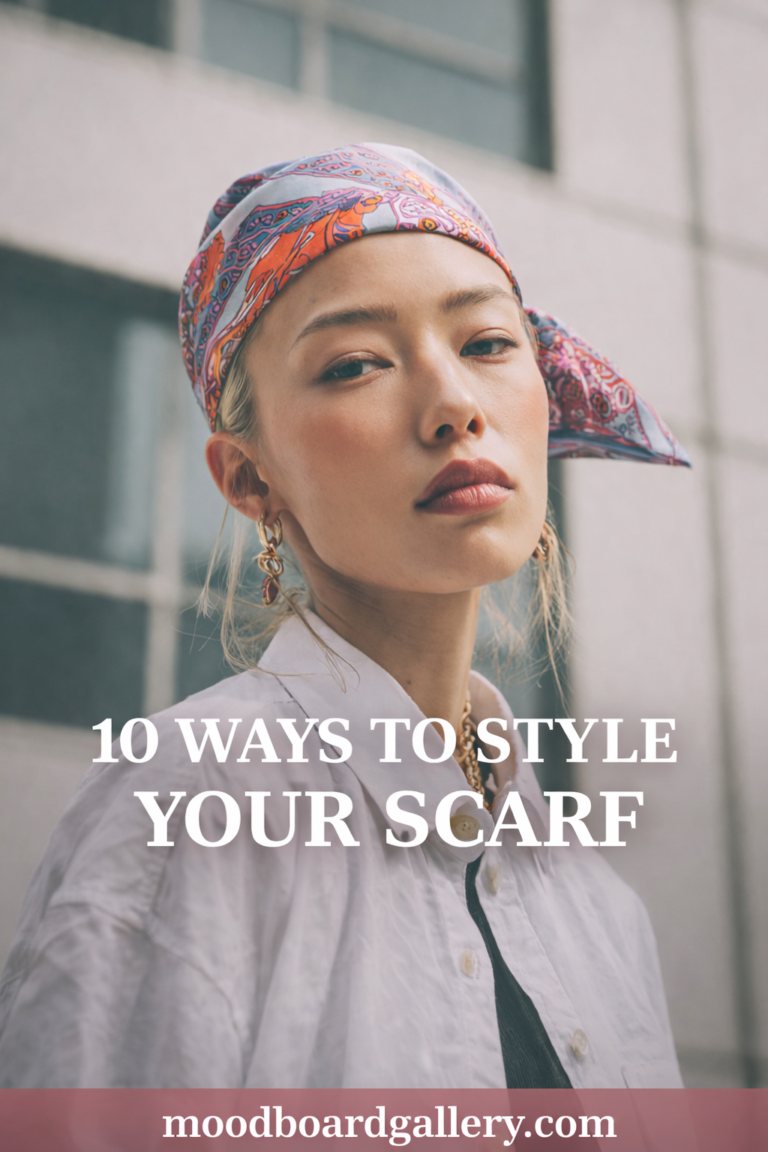
Scarves have quietly re-entered the fashion conversation, but this time, they’re not just functional layers reserved for colder months. Across street style, Pinterest boards, and designer collections, the scarf has evolved into a multi-functional styling tool, one that signals intention, taste, and an understanding of modern accessorizing.
What makes this resurgence particularly compelling is versatility. A single scarf can transition across aesthetics, seasons, and occasions with ease. Whether you lean toward a minimalist wardrobe or favor expressive, trend-forward dressing, knowing how to style a scarf well can completely transform your outfit.
Below, ten elevated ways to wear a scarf, each offering a distinct point of view.
1. The Modern Headscarf
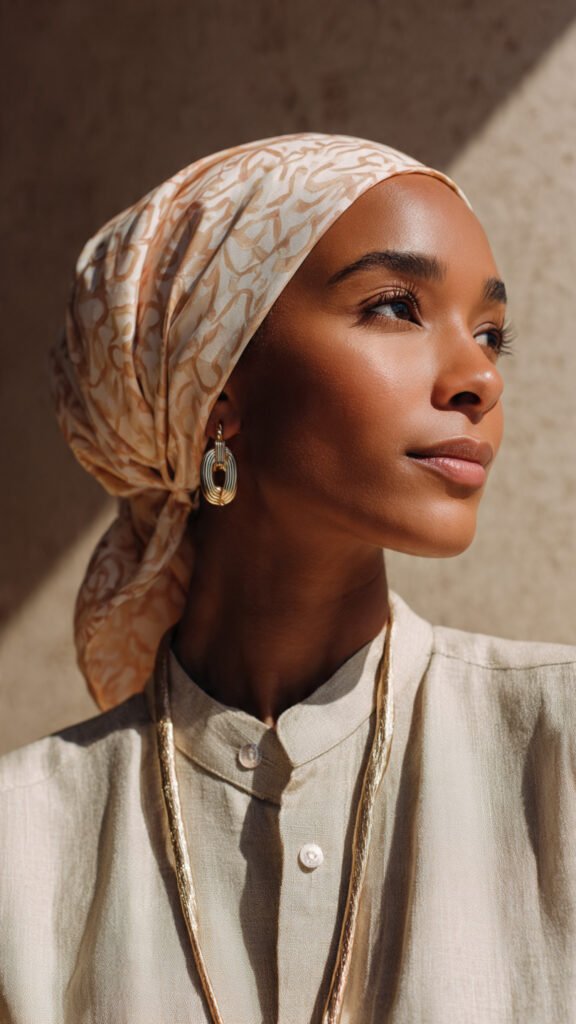
The headscarf has emerged as one of the most defining accessory trends of the moment, merging vintage elegance with contemporary ease. Folded into a triangle and tied either beneath the chin or at the nape of the neck, it frames the face in a way that feels both polished and understated.
What sets this iteration apart is its adaptability. In lighter fabrics such as silk or chiffon, it complements warm-weather dressing effortlessly, pairing especially well with linen sets, tailored shorts, or fluid dresses. The result is a look that feels intentional without appearing overworked, precisely the balance modern styling aims to achieve.
2. Reimagined as a Top
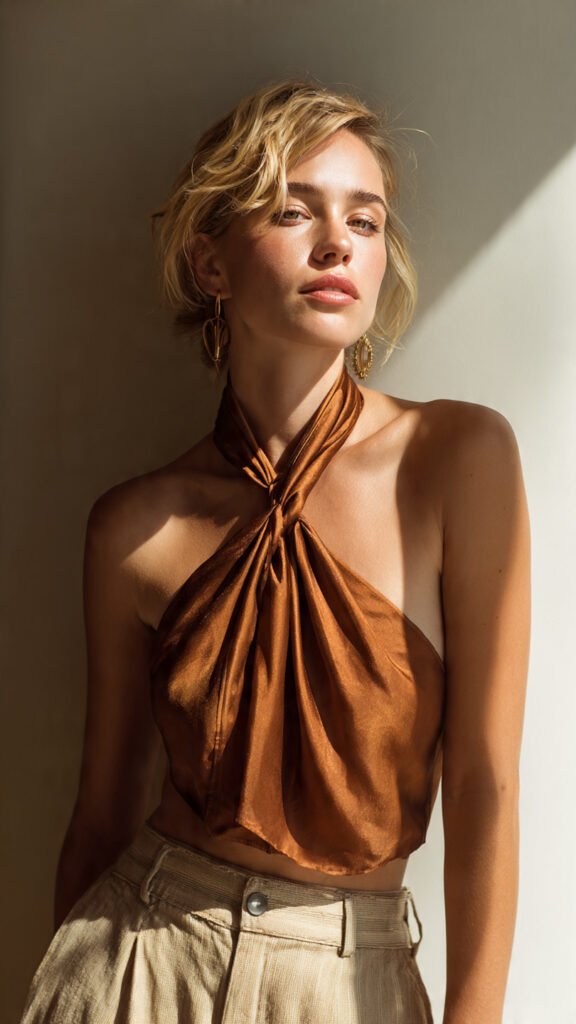
Transforming a scarf into a top speaks to a broader shift toward creative, resourceful styling. Worn as a bandeau, halter, or asymmetrical wrap, the scarf becomes the focal point of the outfit rather than a supporting accessory.
This approach is particularly effective in summer wardrobes, where lightweight fabrics and minimal layering allow the styling to stand out. Paired with high-waisted trousers or relaxed denim, the look feels both effortless and directional, an ideal combination for vacation dressing or elevated casual wear.
3. Tied to a Handbag
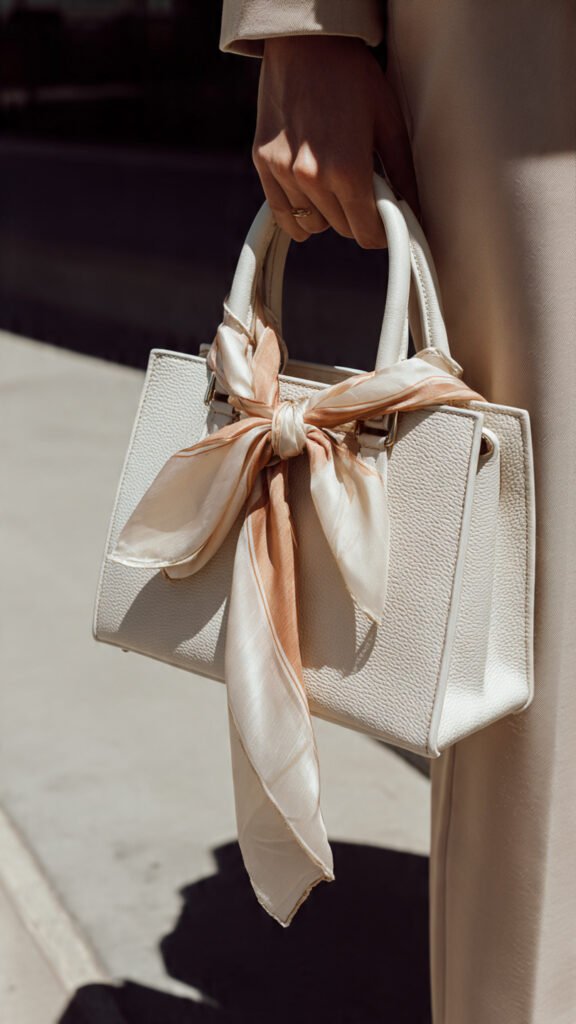
There is a reason this styling technique is frequently seen on luxury handbags. It introduces a sense of individuality while subtly enhancing the overall look. A scarf tied neatly around a handle or allowed to drape loosely adds movement, color, and texture.
More importantly, it creates contrast. Structured bags feel softer, neutral palettes gain dimension, and even the most minimal outfit benefits from a thoughtful detail. It is one of the easiest ways to elevate everyday accessories.
4. Styled as a Belt
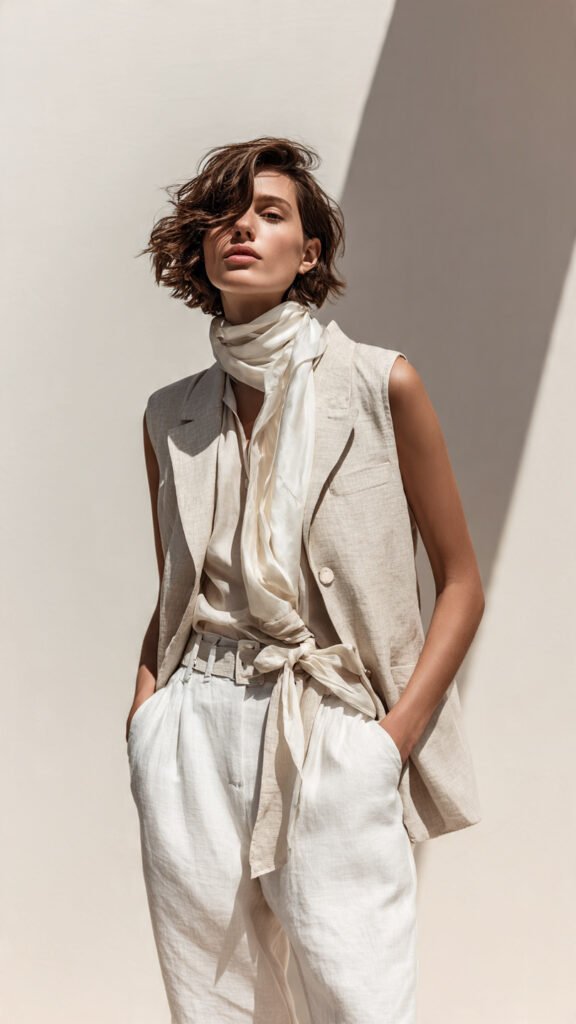
Using a scarf in place of a belt introduces fluidity to an otherwise structured silhouette. Threaded through belt loops or tied at the waist, it softens the look while simultaneously defining shape.
This styling works particularly well with denim, tailored trousers, or even over dresses and blazers. The key lies in contrast. Pairing the relaxed drape of the scarf with more structured garments creates a balanced, editorial feel.
5. The Refined Neck Tie
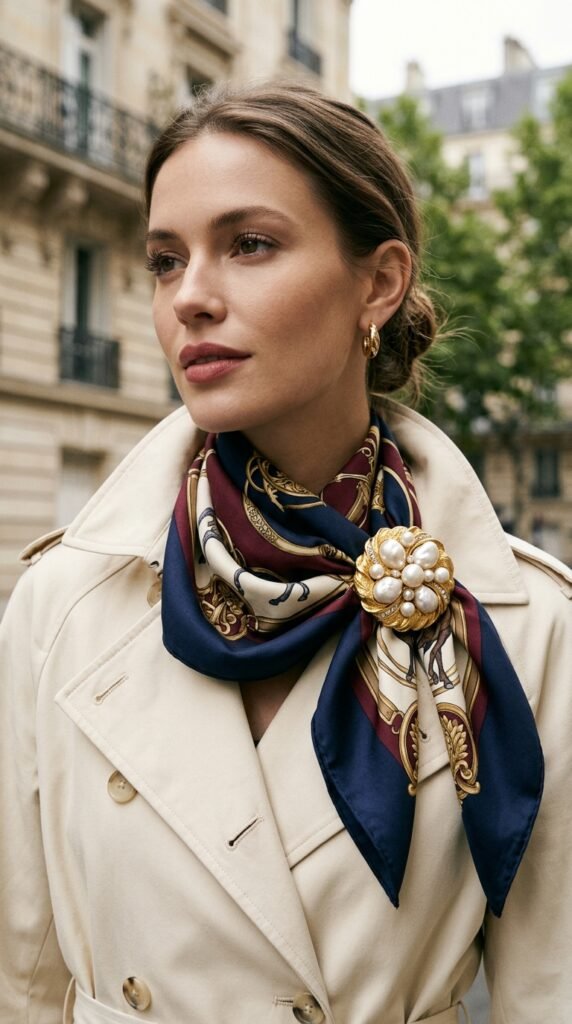
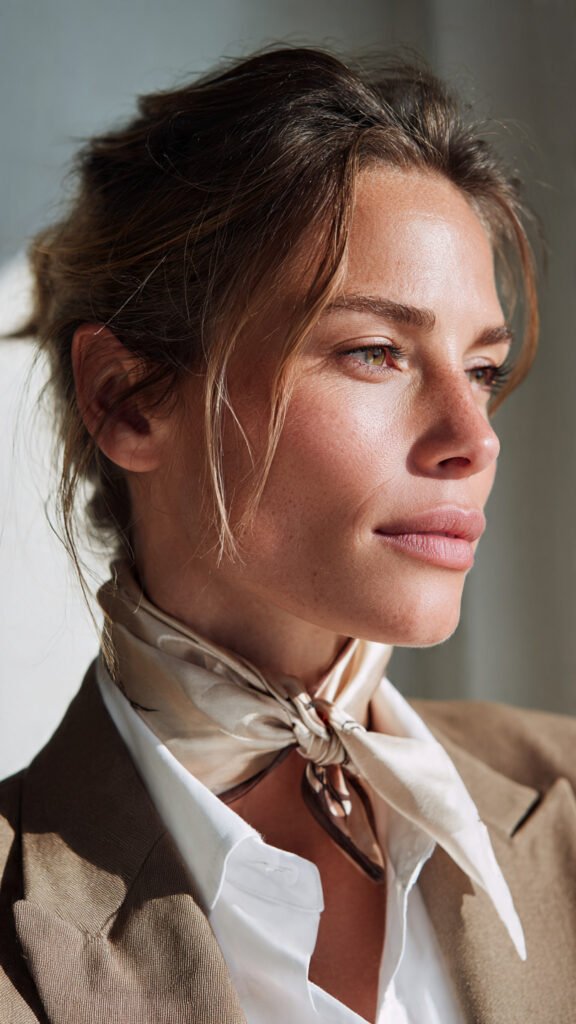
Few styling choices communicate quiet confidence as effectively as a neatly tied neck scarf. Folded into a slim band and secured with a soft knot, it offers a subtle nod to classic French styling while remaining firmly grounded in the present.
It pairs seamlessly with tailored pieces such as blazers, crisp shirts, and structured outerwear, adding just enough detail to feel considered without overwhelming the look. In many ways, it represents the essence of modern minimalism, simple, refined, and deliberate.
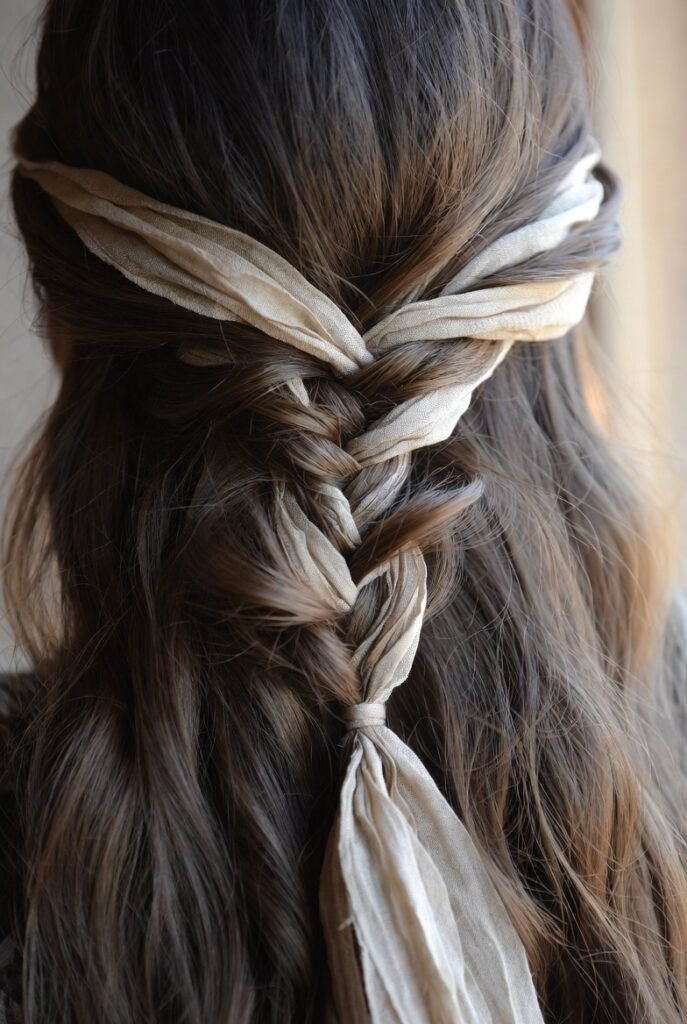
6. Woven Into Hair
Incorporating a scarf into a braid introduces both texture and visual interest, transforming a simple hairstyle into something more expressive. The fabric weaves seamlessly with the hair, creating dimension while maintaining an organic, effortless appearance.
This styling approach aligns particularly well with softer aesthetics, including bohemian influences, romantic silhouettes, and relaxed summer dressing. It is an understated yet impactful way to integrate accessories into everyday looks.
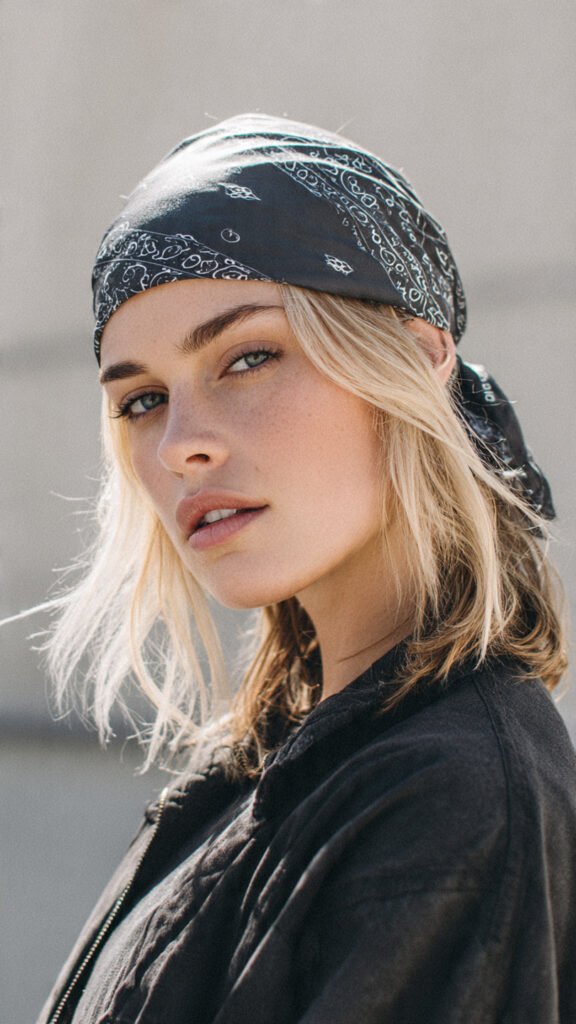
7. The Contemporary Bandana
The bandana-style scarf has experienced a strong revival, driven largely by Y2K-inspired fashion. Worn low on the forehead and tied at the back, it introduces a casual, slightly undone quality to an outfit.
What makes it particularly relevant now is its versatility. It works equally well with relaxed streetwear and more polished ensembles, offering a subtle contrast that feels current rather than nostalgic.
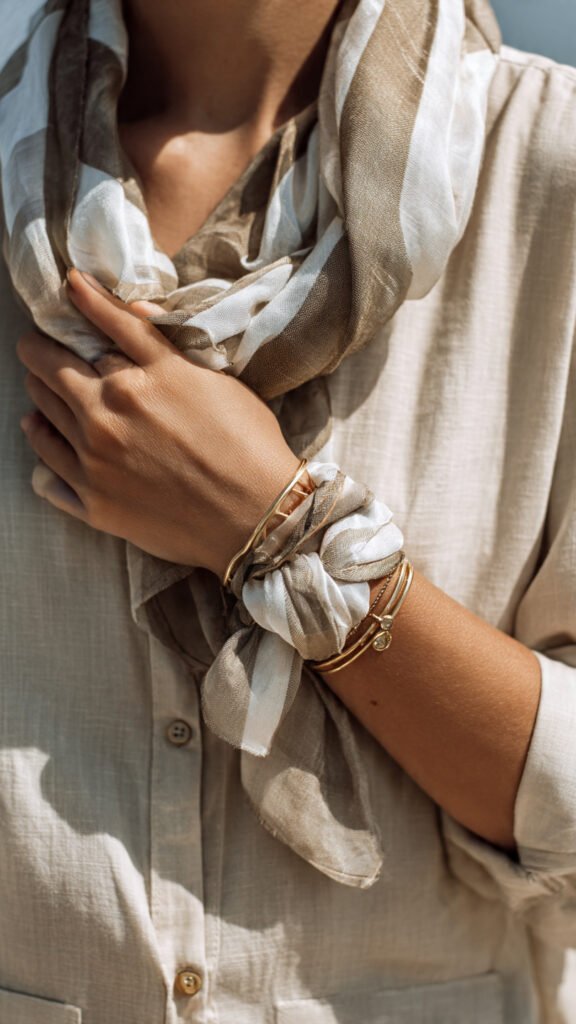
8. Wrapped at the Wrist
Styling a scarf at the wrist is an example of detail-oriented dressing, small, intentional choices that collectively elevate an outfit. Wrapped loosely like a bracelet, it introduces softness and movement in a way that traditional jewelry does not.
This approach works particularly well when paired with minimal accessories, allowing the scarf to act as a focal point without competing elements.
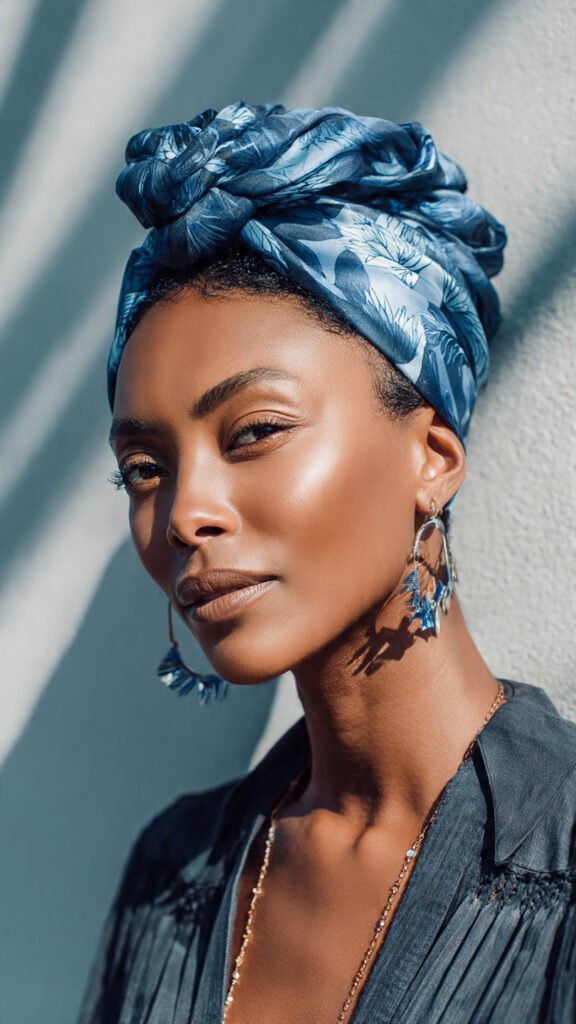
9. The Full Hair Wrap
A full hair wrap offers both practicality and visual impact. It protects the hair while simultaneously acting as a bold styling choice, often becoming the defining element of the outfit.
When executed in elevated fabrics or coordinated color palettes, it leans more toward refined elegance than casual convenience, making it suitable for both everyday wear and more considered looks.
10. Draped Over the Shoulders
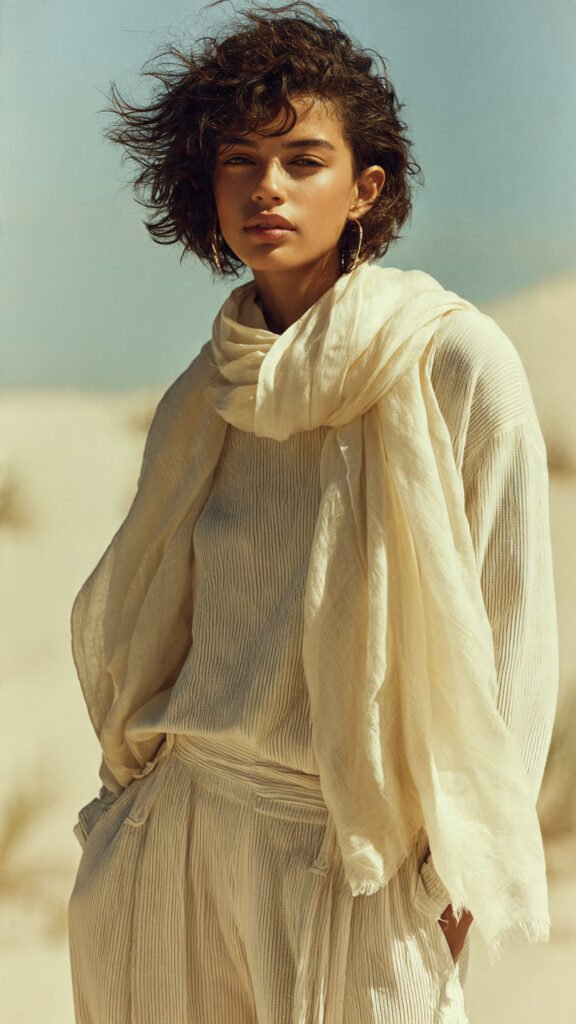
Perhaps the most understated of all, draping a scarf over the shoulders creates a sense of ease that feels inherently luxurious. It echoes the styling seen in resort wear and transitional dressing, light, layered, and intentionally undone.
This method works particularly well with monochromatic outfits or neutral palettes, where texture and movement become the primary points of interest.
Final Thoughts
The true value of a scarf lies not in the item itself, but in its versatility. It is one of the few accessories capable of shifting the tone of an entire outfit with minimal effort, whether that means introducing softness, structure, color, or contrast.
As fashion continues to move toward more intentional and expressive styling, pieces like the scarf become increasingly relevant. They invite creativity, encourage experimentation, and ultimately allow for a more personal approach to dressing.
Mastering even a few of these techniques can redefine how you approach your wardrobe, proving that sometimes, the most impactful changes come from the simplest additions.