
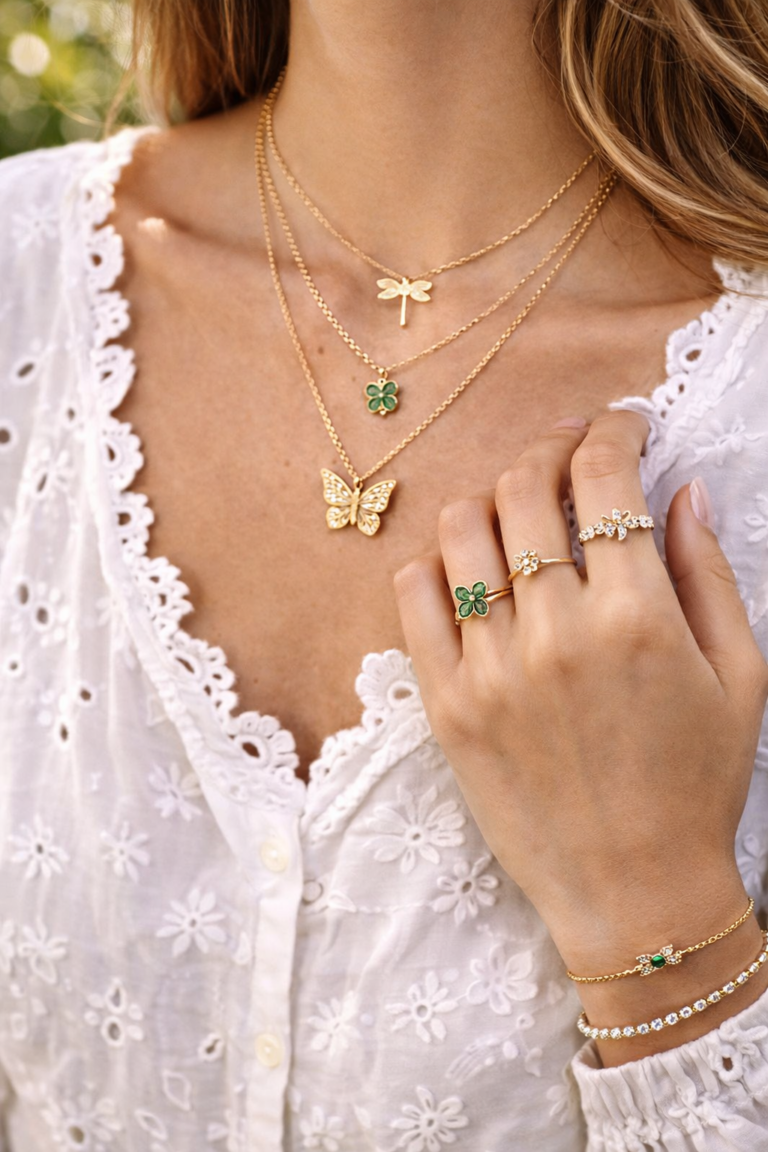
Jewelry layering is less about rules and more about creating a look that feels natural, balanced, and a little bit personal. When done right, it looks effortless—like everything just fell into place. The key is understanding how different pieces interact with each other so nothing feels crowded or out of place.
Necklace Layering: Building from the Neck Down
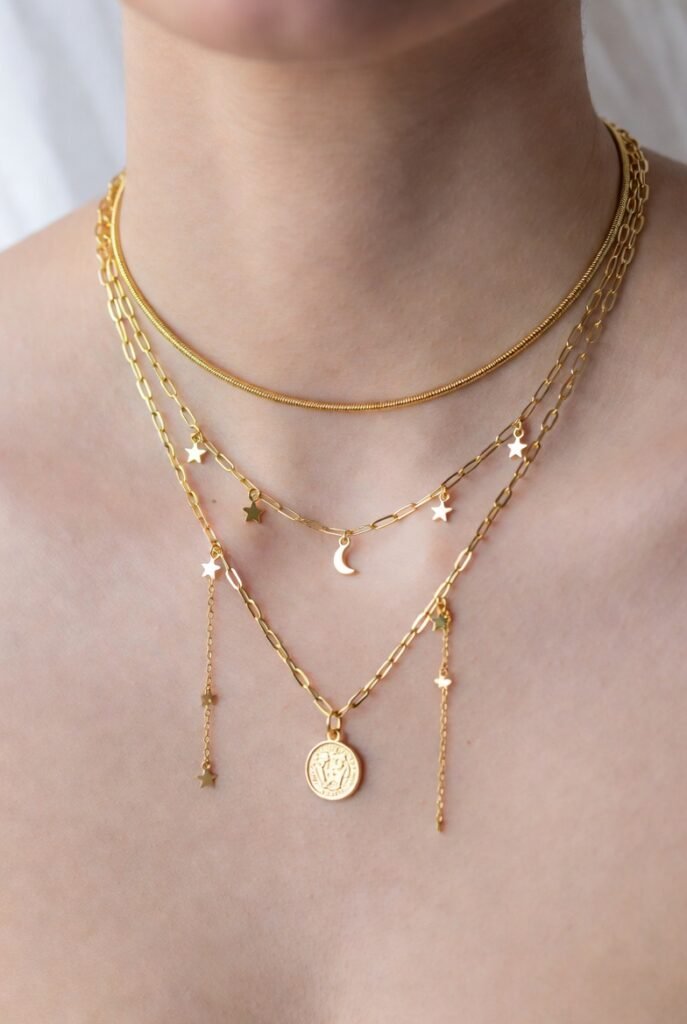
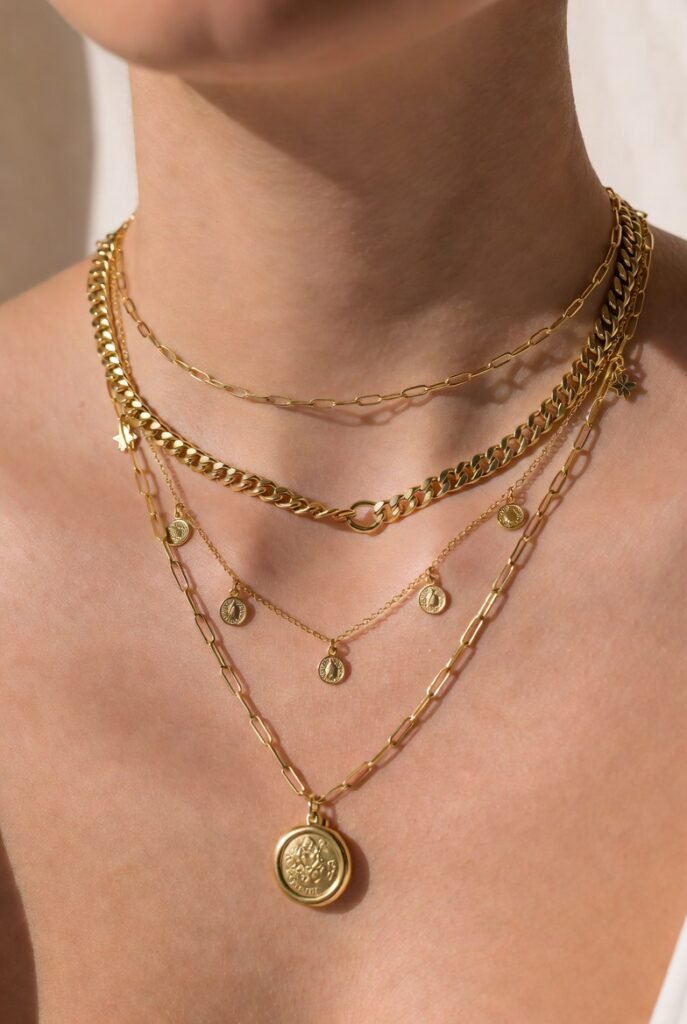
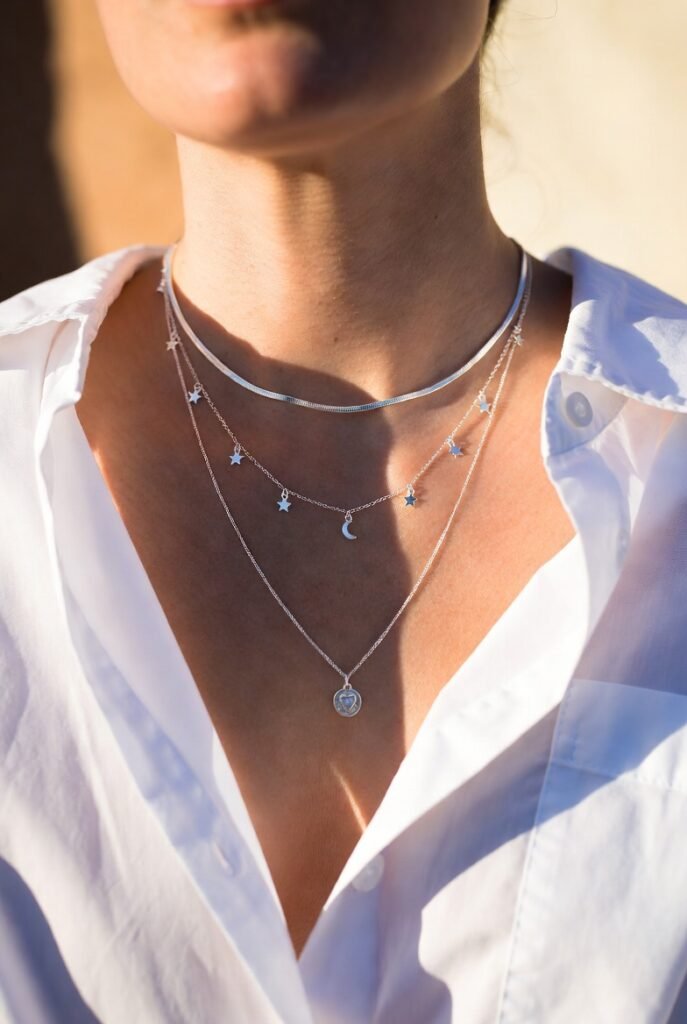
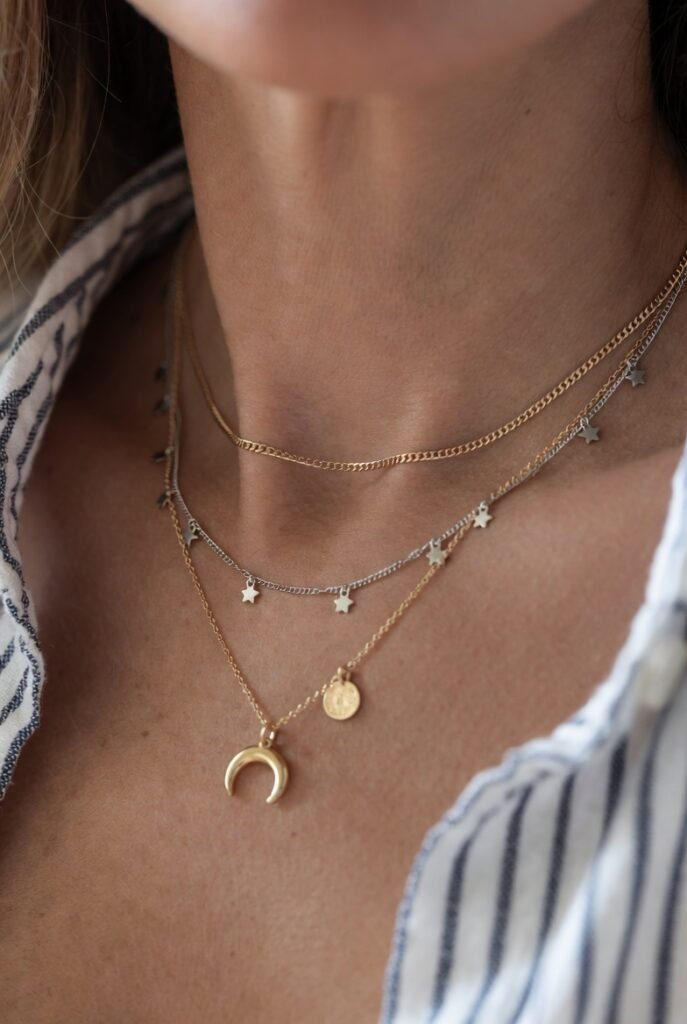
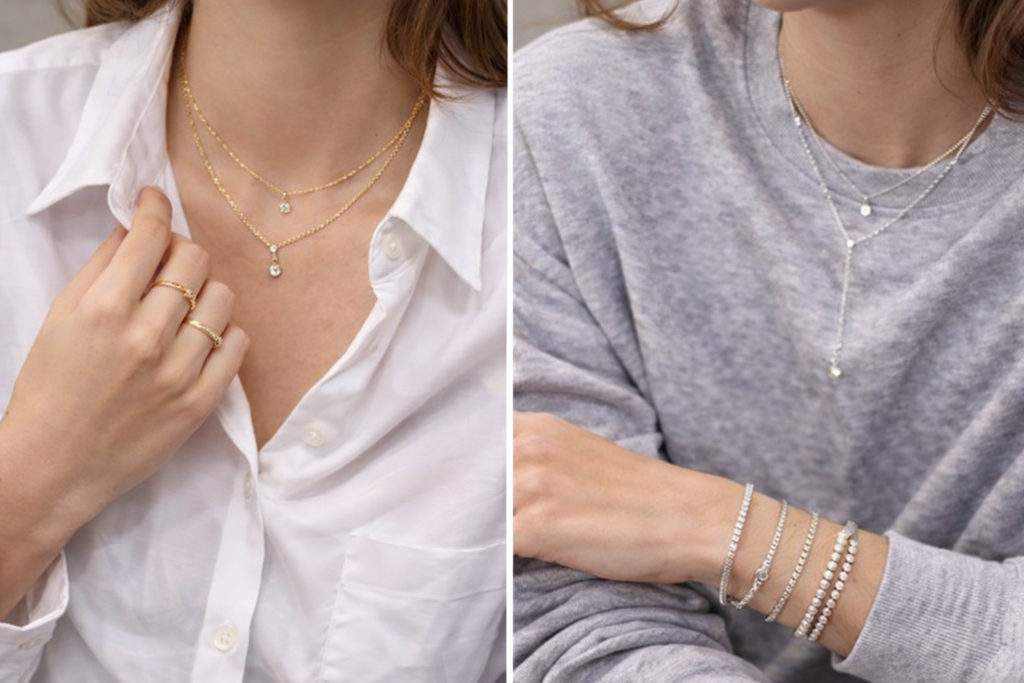
Start close to your neck and work your way down. A short piece like a choker or a collar necklace acts as the base. From there, add a slightly longer chain, and then finish with a longer pendant or locket. The spacing between each layer is what makes everything look intentional rather than tangled.
If all your necklaces sit at the same length, they compete with each other. When they’re staggered, each one gets its moment. Mixing styles also makes a big difference—pairing something delicate with something slightly bolder creates contrast and keeps the look interesting. For example, a thin chain with a small charm layered over a thicker chain feels balanced rather than overwhelming.
If you’re unsure where to start, think in sets of three. Three layers usually feel complete without being too much. Once you’re comfortable, you can experiment with more.
Bracelet Stacking: Creating Flow on the Wrist
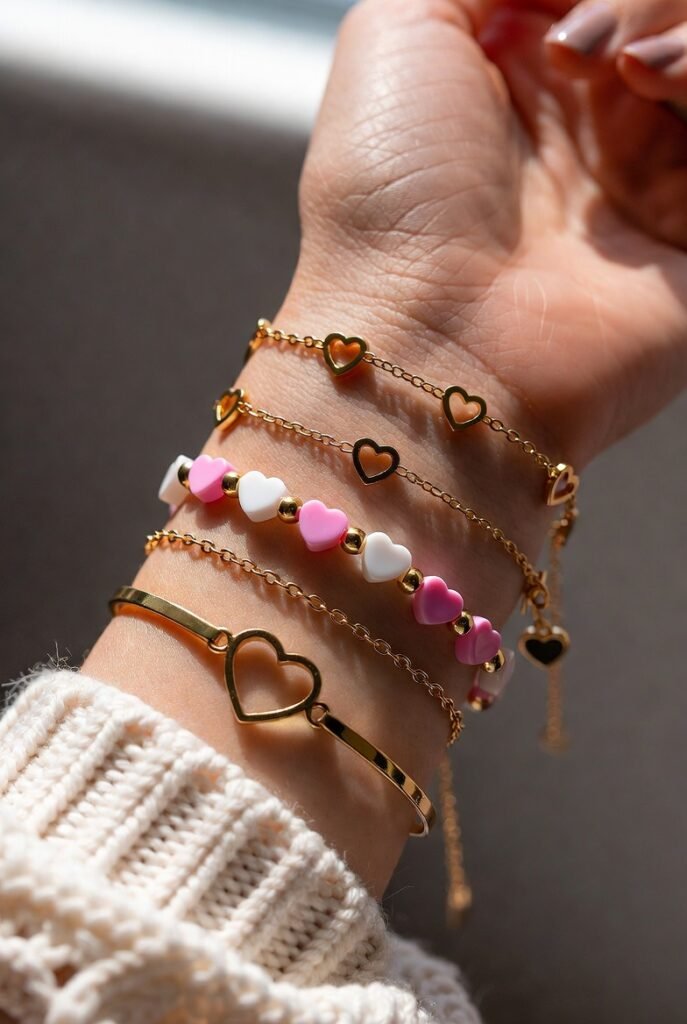
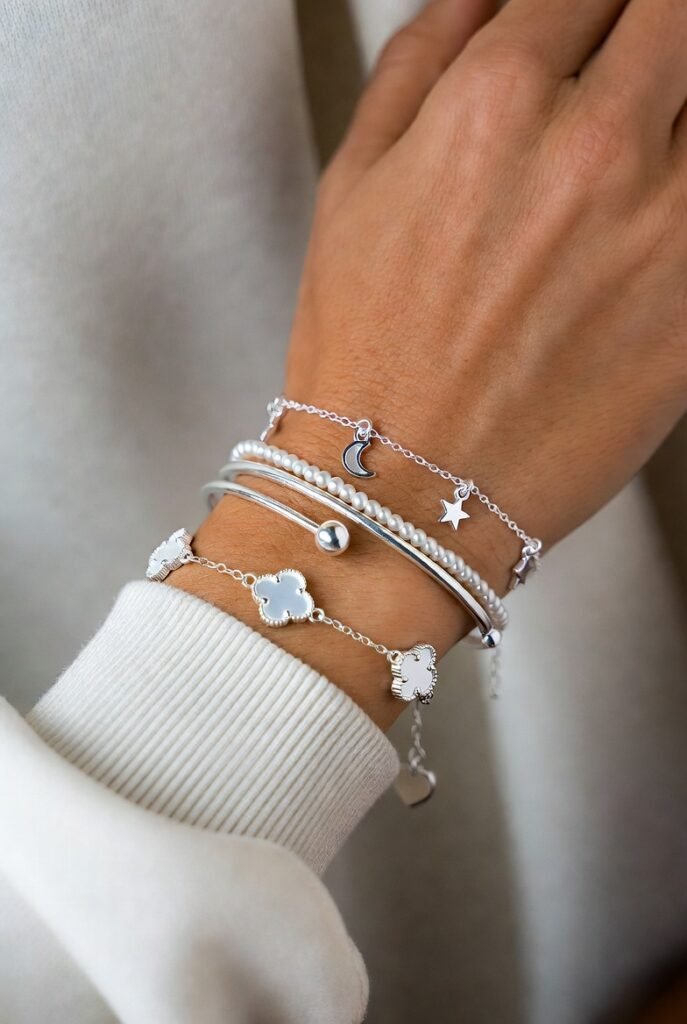
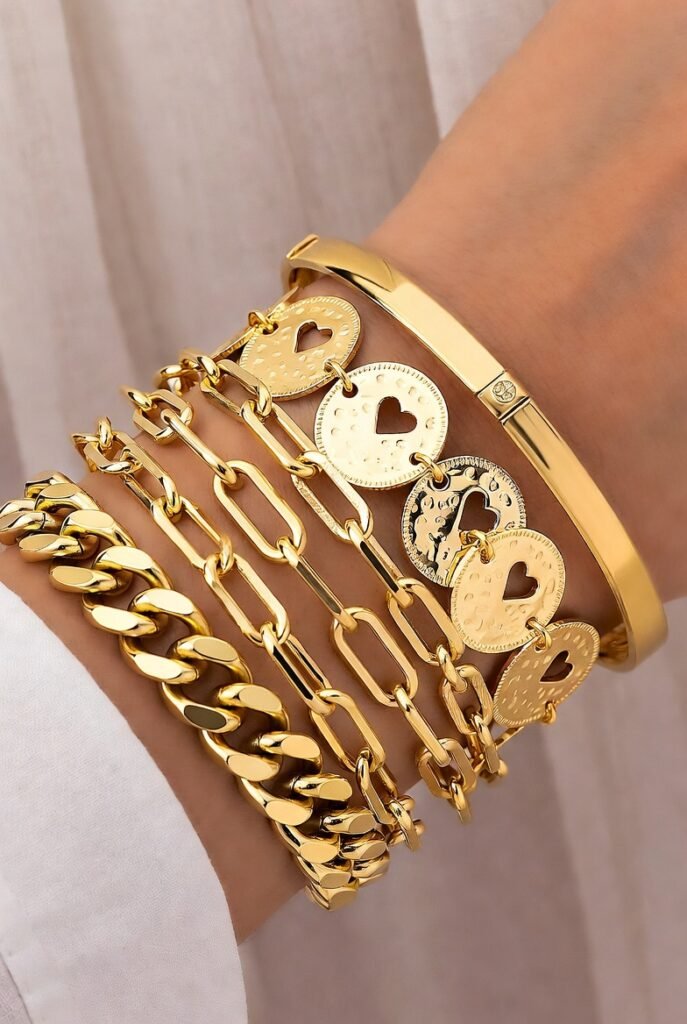
Bracelets are all about movement. Unlike necklaces, they shift and catch light as you move your hands, so the mix of textures matters even more. A good stack usually combines different types—like a sleek bangle, a soft chain bracelet, and maybe something with a bit of detail like a charm or stones.
If you wear a watch, treat it as part of the stack rather than something separate. Let bracelets sit alongside it instead of isolating it on its own. This makes everything feel cohesive instead of divided.
Try not to overload one wrist while leaving the other completely bare unless that’s the look you’re going for. Even a single simple bracelet on the other side can balance things out. The goal is to make your wrists look styled, not crowded.
Ring Stacking: Subtle but Eye-Catching
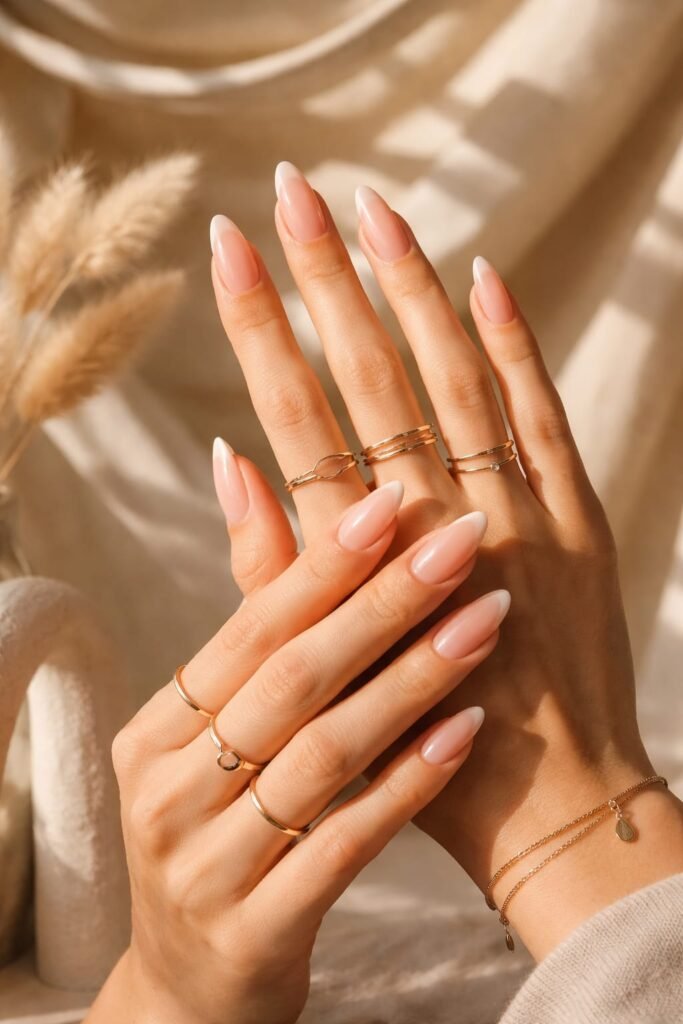
Rings are where layering can feel the most personal. You don’t need every finger covered—sometimes a few well-placed rings create more impact than a full stack. Start with one or two fingers and build from there.
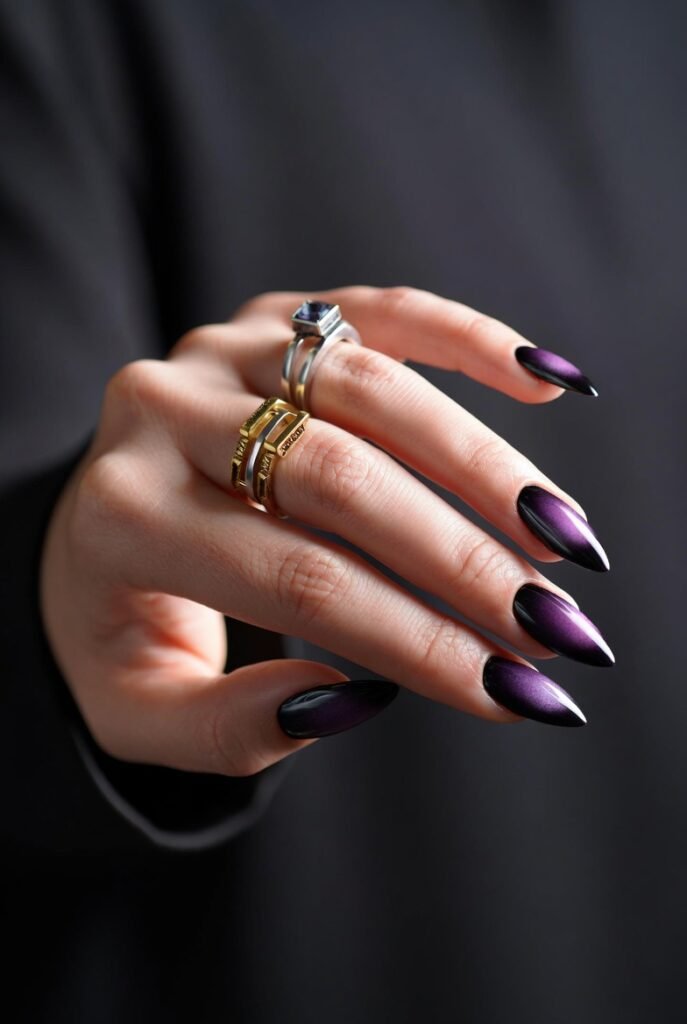
A common approach is to anchor your hand with one slightly bolder ring, then surround it with thinner bands. This keeps the look grounded. If every ring is equally bold, nothing stands out. If everything is too delicate, it can disappear.
Spacing matters here too. Leaving a finger bare between stacked fingers can actually make the overall look feel more styled. It gives the eye somewhere to rest and makes the rings you are wearing stand out more.
Mixing Metals: Making It Look Intentional
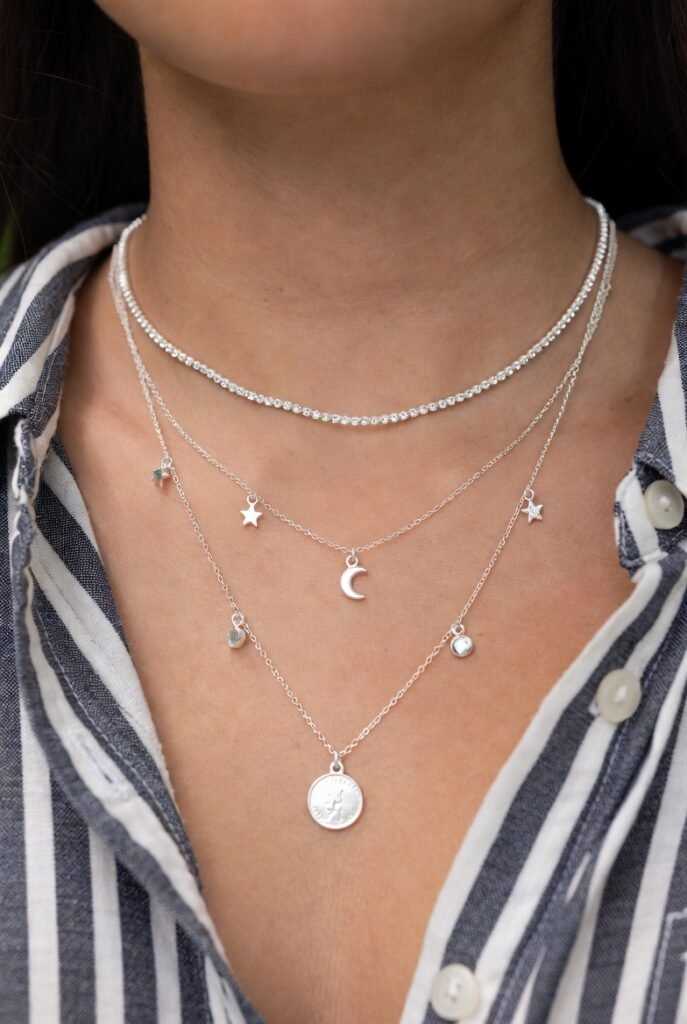
Mixing gold and silver used to feel like a mistake, but now it’s one of the easiest ways to make your jewelry look modern. The trick is to repeat each metal at least once so it looks deliberate.
For example, if you’re wearing a gold necklace and want to add silver, echo that silver in your rings or bracelets. This creates a connection between pieces instead of making one feel out of place.
You can also use a piece that already combines metals as a bridge. Once that’s in place, everything else feels more cohesive.


Balancing Bold and Minimal Pieces
One of the easiest mistakes is wearing too many bold pieces at once. If everything is trying to stand out, nothing really does. Instead, let one piece lead and allow the others to support it.
If you’re wearing a chunky necklace, keep the rest of your layers finer. If your rings are bold, your bracelets can be more subtle. This contrast is what gives layering its polished look.
Think of it like putting together an outfit—there’s usually one main element, and everything else works around it.
Keeping It Comfortable and Wearable
The best layered jewelry looks are the ones you don’t have to think about once they’re on. If something feels heavy, tangled, or constantly needs adjusting, it takes away from the experience.
Start with combinations that feel easy to wear throughout the day. As you get more comfortable, you can build more complex stacks. Over time, you’ll naturally figure out what works for you and what doesn’t.
Final Thought
Layering jewelry isn’t about following strict rules—it’s about understanding balance, proportion, and how pieces work together. Once you get a feel for that, you can mix, match, and experiment freely.
The best stacks don’t look like they were carefully planned. They look like they just happened—and that’s exactly what makes them work.