Skip to content
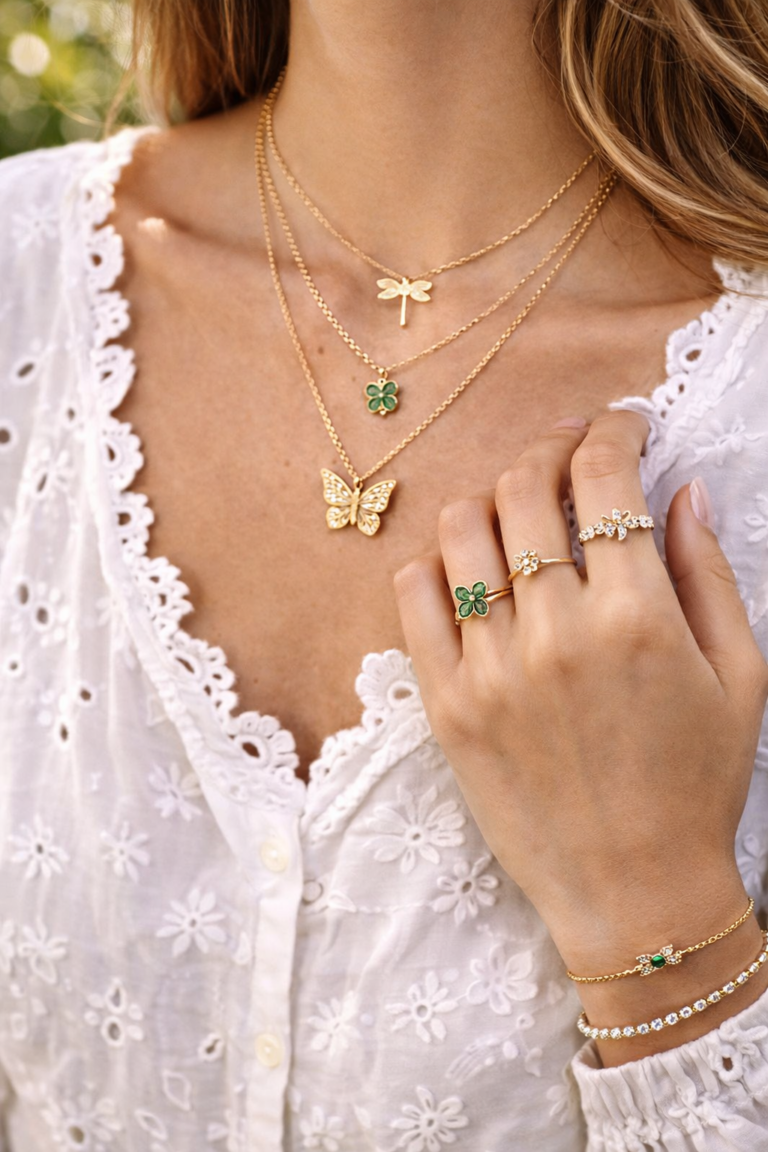
Jewelry layering is less about rules and more about creating a look that feels natural, balanced, and quietly intentional. When it works, it doesn’t announce itself—it settles into your overall style as though each piece found its place on its own. That sense of ease, however, usually comes from a deeper understanding of proportion, spacing, texture, and how different materials interact with one another. The goal is not to add more, but to arrange thoughtfully, so nothing feels crowded, disconnected, or overly styled.
At its core, layering is about composition. Much like styling an outfit, it relies on contrast, repetition, and restraint. Each piece should contribute something distinct—whether that’s texture, weight, shine, or movement—while still working as part of a cohesive whole. The difference between a cluttered look and an elevated one often comes down to small details: the distance between chains, the balance of metals, or the placement of a single ring. These are subtle choices, but they shape the entire outcome.
Necklace Layering: Building from the Neck Down
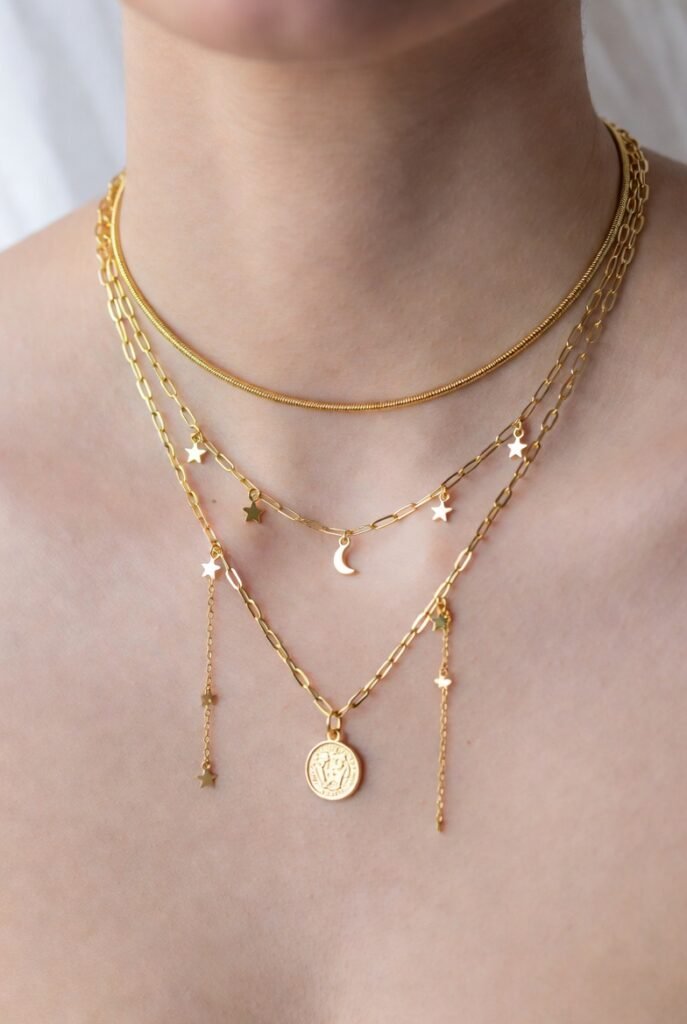
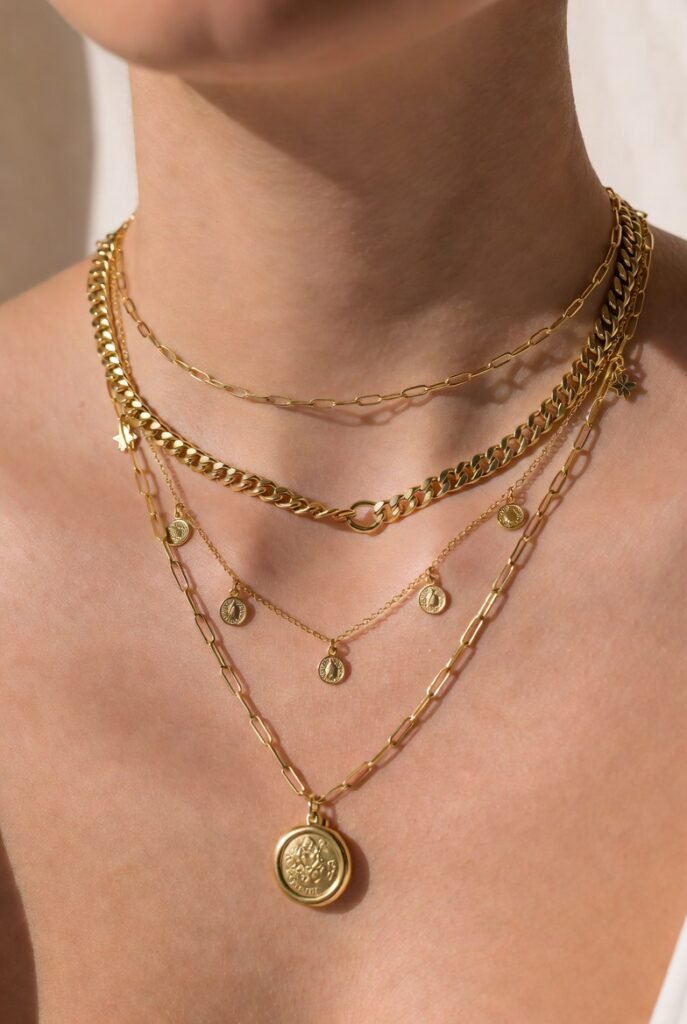
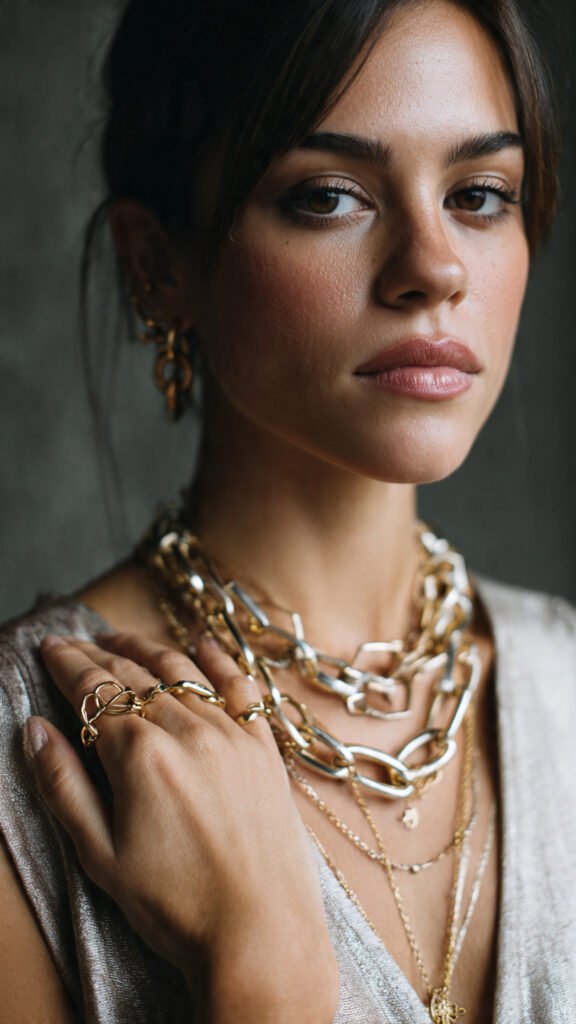
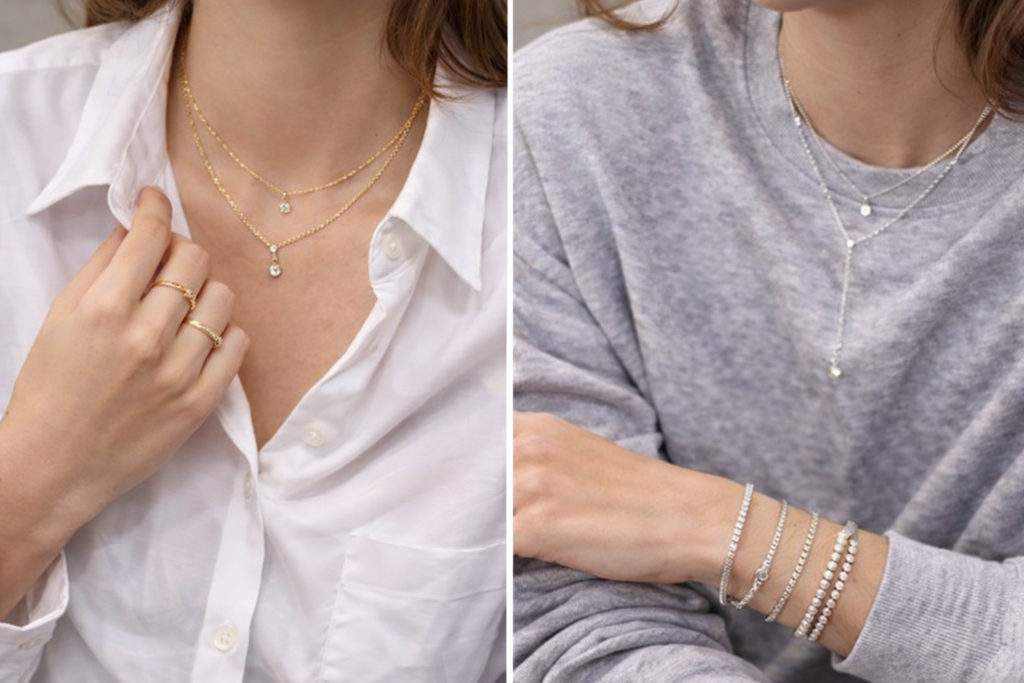
Necklace layering works best when approached with a sense of structure. Starting close to the neck creates a foundation, both visually and physically, allowing each additional piece to fall into place with clarity. A choker or collar necklace naturally anchors the look, sitting firmly at the base of the neck and establishing the starting point for everything that follows. From there, adding a slightly longer chain introduces depth, and finishing with a longer pendant or locket creates movement that draws the eye downward.
What defines a well-layered necklace look is spacing. When each chain occupies its own distinct length, the layers feel intentional and easy to read. If multiple pieces sit too closely together, they begin to compete, creating visual noise rather than harmony. Allowing space between each layer ensures that every necklace has its moment, contributing to a composition that feels considered rather than accidental.
If all your necklaces sit at the same length, they compete with each other. When they’re staggered, each one gets its moment. Mixing styles also makes a big difference—pairing something delicate with something slightly bolder creates contrast and keeps the look interesting. For example, a thin chain with a small charm layered over a thicker chain feels balanced rather than overwhelming.
If you’re unsure where to start, think in sets of three. Three layers usually feel complete without being too much. Once you’re comfortable, you can experiment with more.
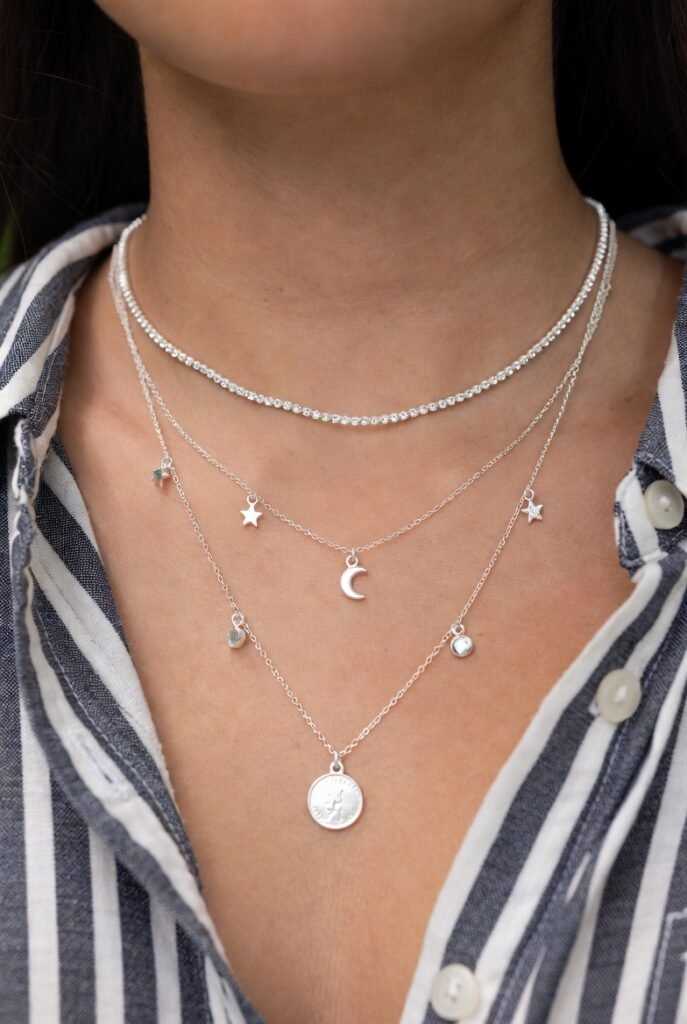
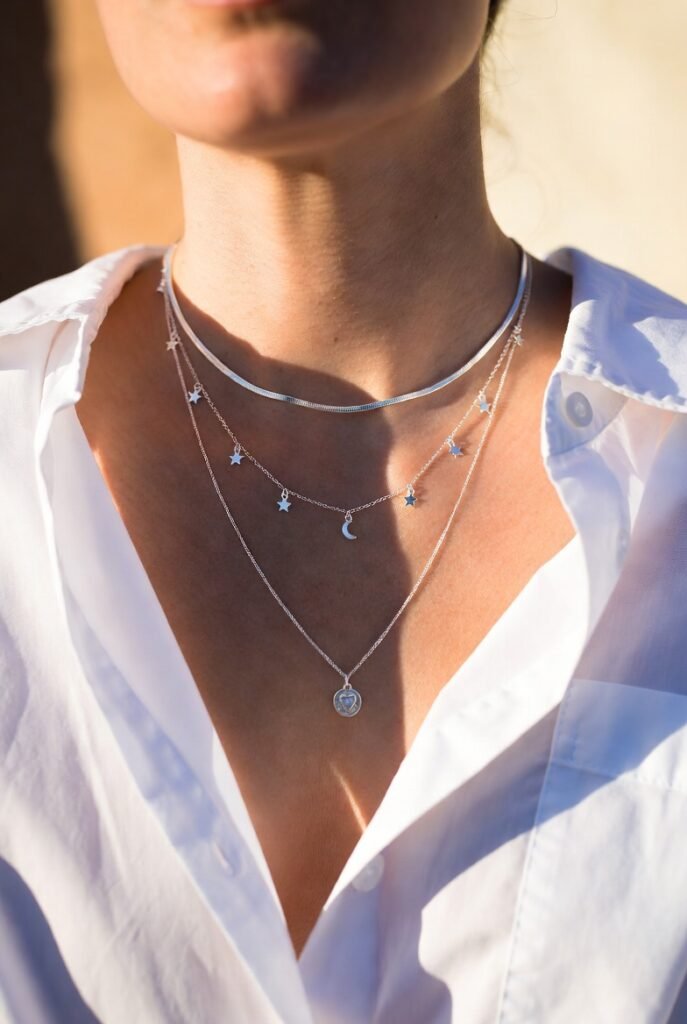
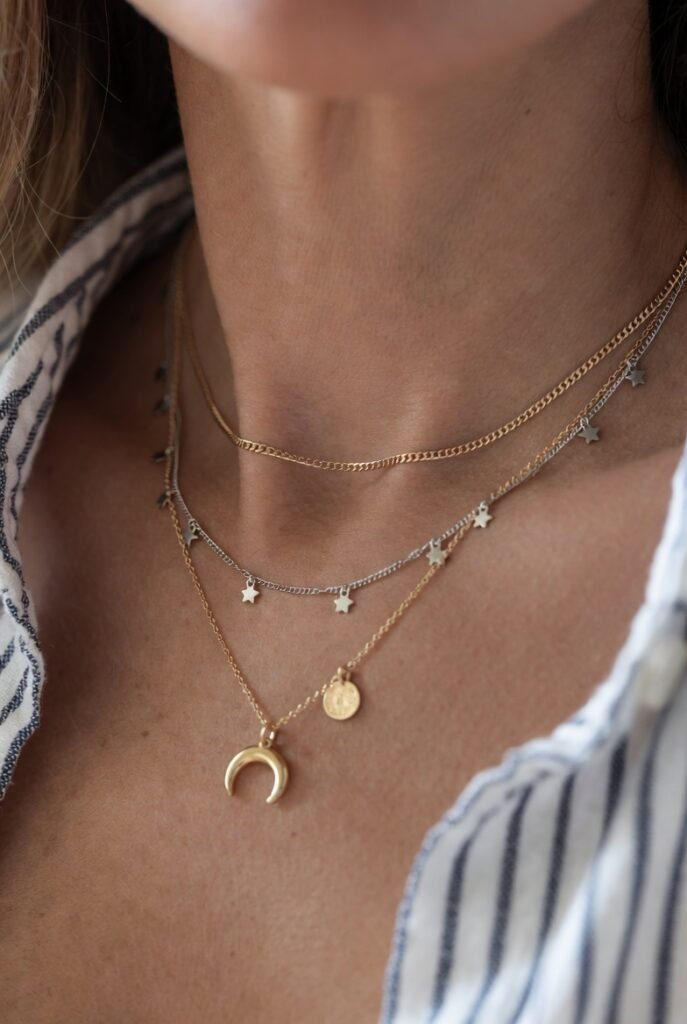
There is also a tactile aspect to necklace layering that often goes unnoticed. Different chain weights, link styles, and finishes interact with light in unique ways. A fine chain might catch light subtly, while a thicker, more textured piece reflects it more boldly. Combining these elements creates depth, even within a relatively minimal palette. Pairing a delicate chain with a slightly heavier one introduces contrast without overwhelming the neckline.
Personalization plays a significant role here as well. Incorporating a pendant with meaning—a locket, a charm, or a symbolic piece—adds a narrative layer to the styling. When combined with more neutral chains, it becomes the focal point without needing to be oversized or overly ornate. Over time, these combinations often evolve into signature looks, shaped by habit and preference rather than strict planning.
For those beginning to experiment with layering, working in sets of three provides a reliable structure. Three layers tend to feel complete, offering enough variation without becoming excessive. As confidence grows, additional layers can be introduced, but the same principles of spacing and balance should always guide the arrangement.
Bracelet Stacking: Creating Flow on the Wrist
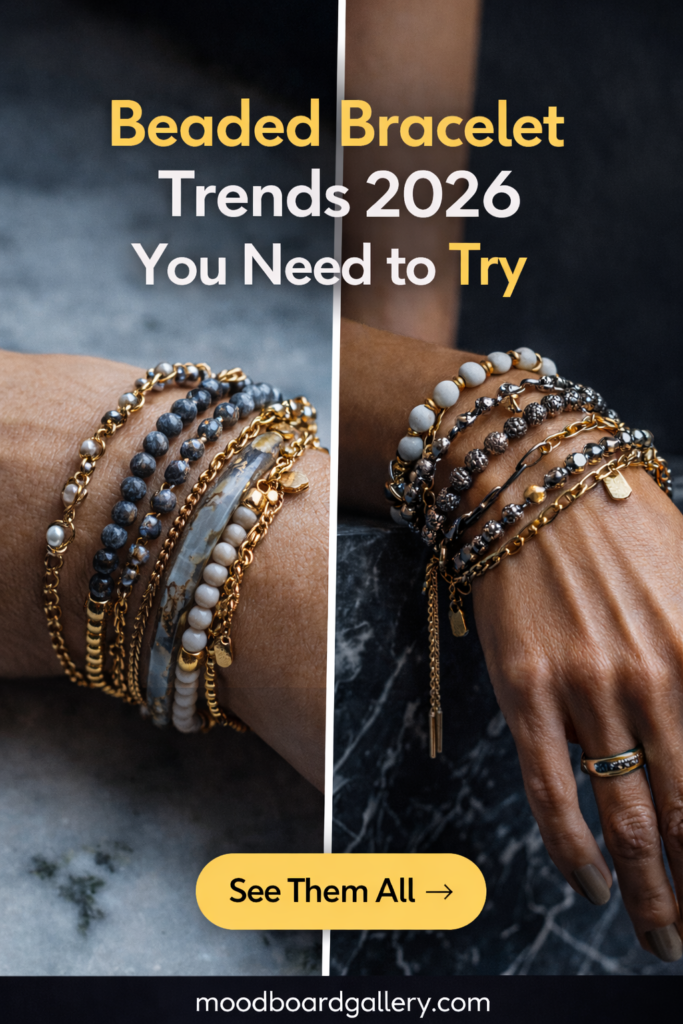
Bracelet stacking introduces a different dynamic, one defined by movement. Unlike necklaces, which remain relatively fixed, bracelets shift and respond to motion, catching light as the hands move. This makes texture and flexibility particularly important, as each piece contributes not only to the visual composition but also to how the stack feels throughout the day.
A well-balanced bracelet stack often combines contrasting elements. A structured bangle provides stability, while a chain bracelet introduces softness and fluidity. Adding a piece with detail—such as subtle stones, engraving, or a charm—brings visual interest without disrupting the overall flow. The interaction between these elements creates rhythm, allowing the stack to feel cohesive even as it moves.
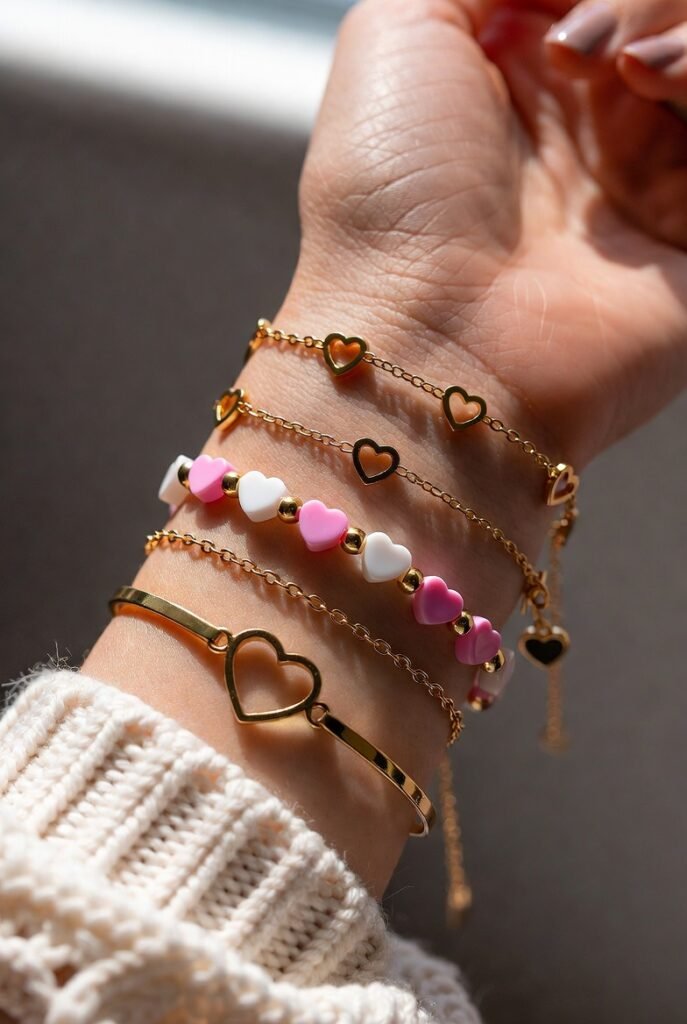
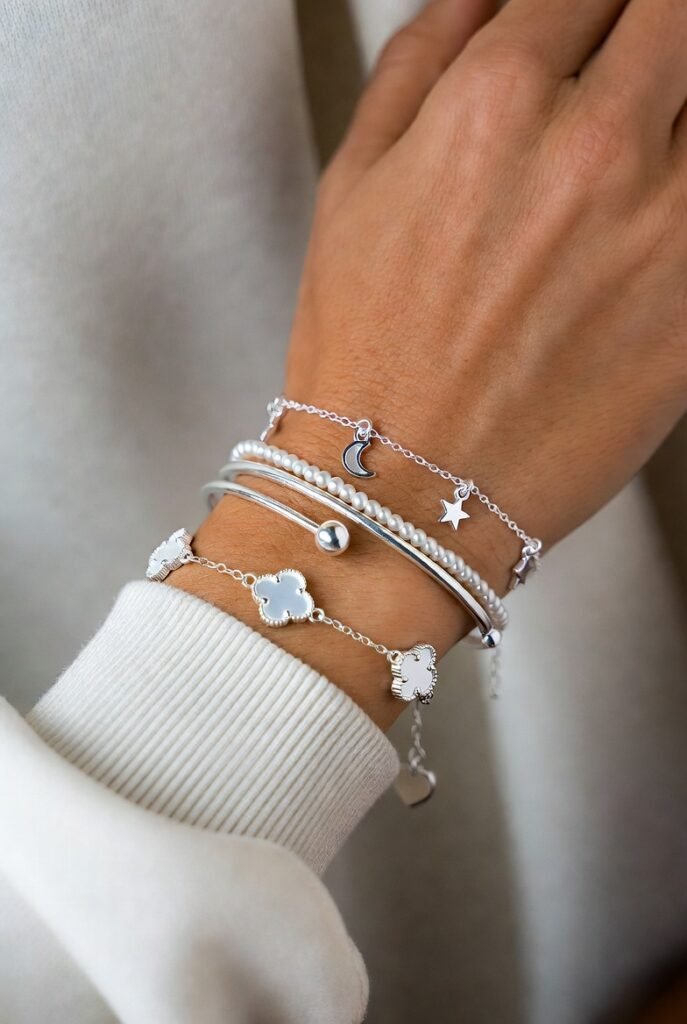
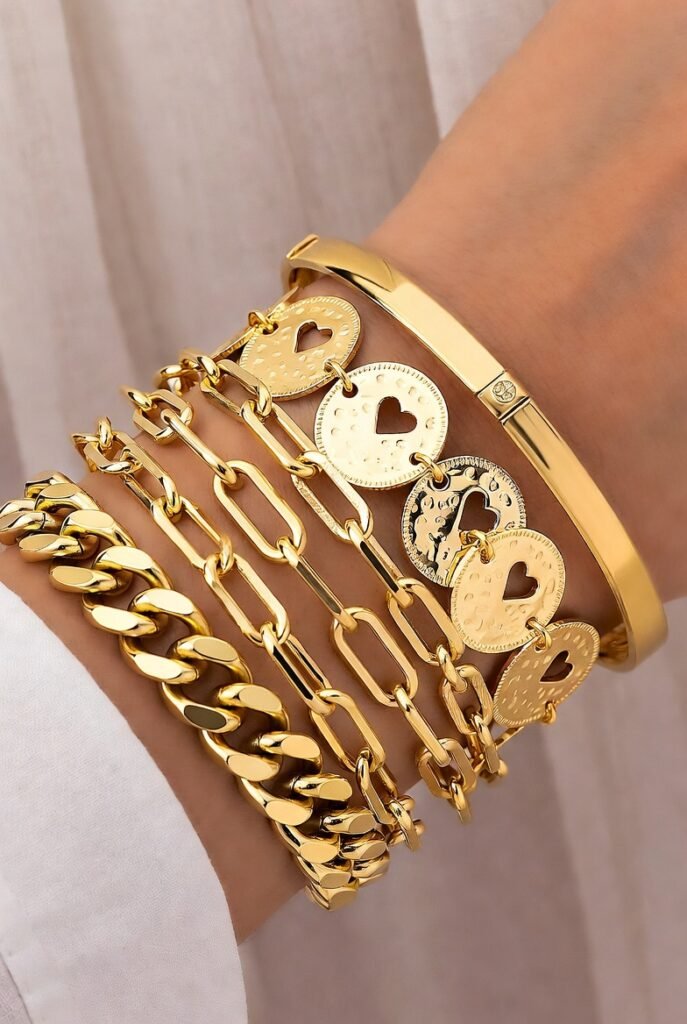
Allowing bracelets to sit alongside the watch integrates it into the overall look, creating continuity across the wrist. This approach avoids the visual break that occurs when a watch is isolated, instead making it feel like a deliberate part of the stack.
Balance between both wrists also contributes to the overall effect. While it is possible to create a statement on one side, leaving the other completely bare can sometimes feel incomplete. Introducing even a minimal element—a single chain bracelet or a slim bangle—on the opposite wrist can create a sense of symmetry without diminishing the impact of the primary stack.
Try not to overload one wrist while leaving the other completely bare unless that’s the look you’re going for. Even a single simple bracelet on the other side can balance things out. The goal is to make your wrists look styled, not crowded.
Ring Stacking: Subtle but Eye-Catching
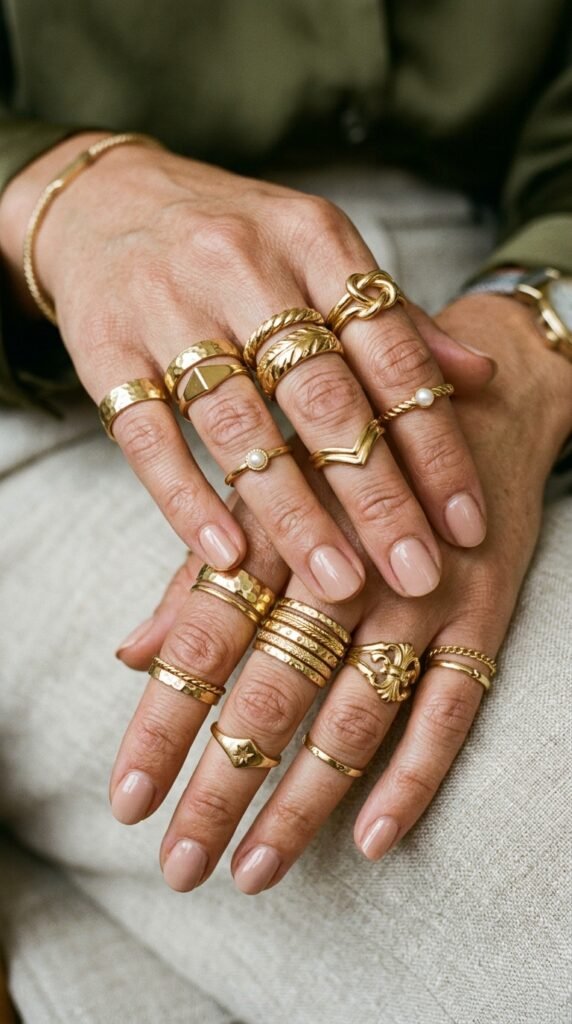
Rings are where layering can feel the most personal. You don’t need every finger covered—sometimes a few well-placed rings create more impact than a full stack. Start with one or two fingers and build from there.
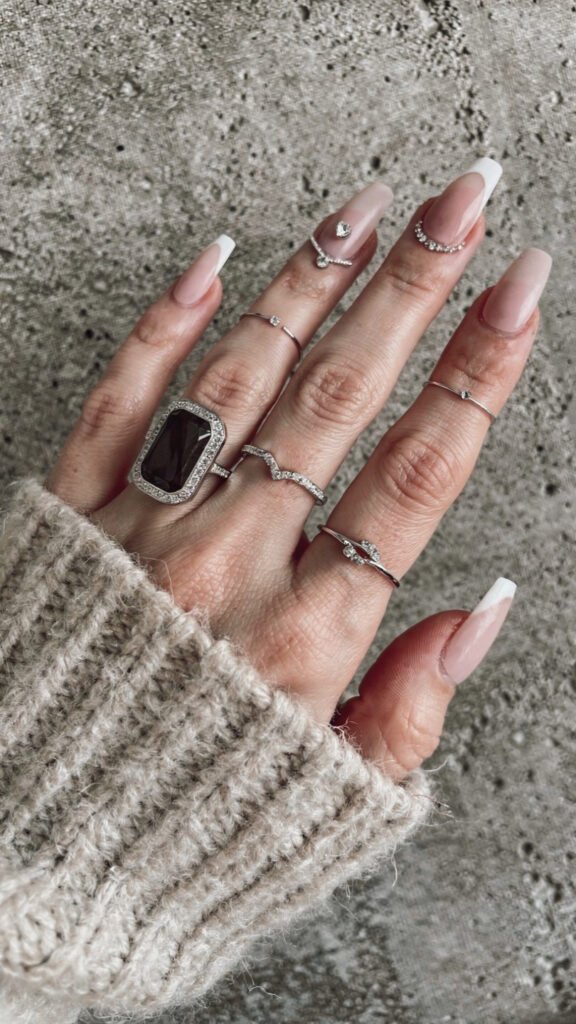
A common approach is to anchor your hand with one slightly bolder ring, then surround it with thinner bands. This keeps the look grounded. If every ring is equally bold, nothing stands out. If everything is too delicate, it can disappear.
Spacing matters here too. Leaving a finger bare between stacked fingers can actually make the overall look feel more styled. It gives the eye somewhere to rest and makes the rings you are wearing stand out more.
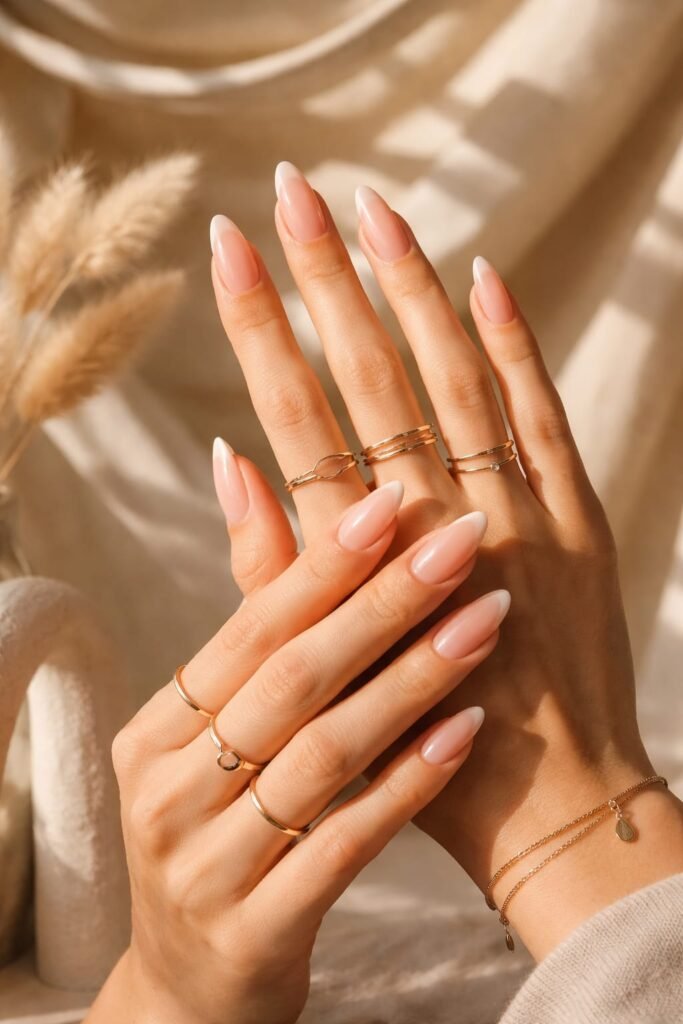
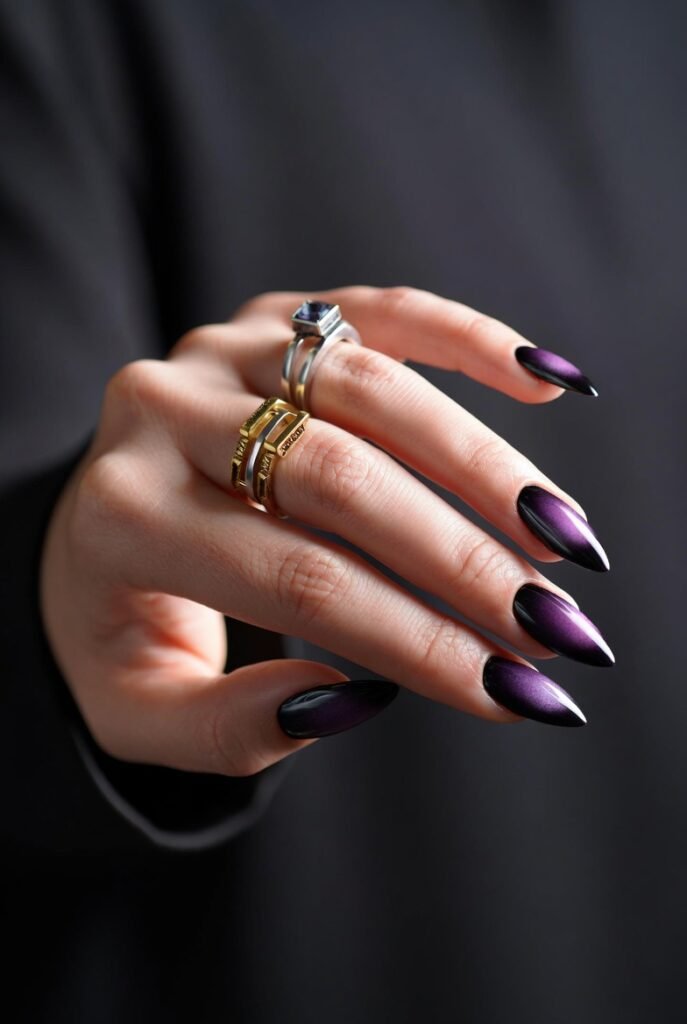
There is also an opportunity to experiment with placement beyond traditional positions. Midi rings, worn above the knuckle, introduce additional layers without requiring more fingers. This creates vertical variation, adding another dimension to the stack. When used sparingly, these details can elevate the overall look, making it feel more considered and distinctive.
As with other forms of layering, comfort remains essential. Rings that are too tight, too loose, or overly bulky can distract from the experience. The most effective stacks are those that feel almost unnoticeable when worn, allowing the focus to remain on their visual impact rather than their presence.
Mixing Metals: Making It Look Intentional
Mixing gold and silver used to feel like a mistake, but now it’s one of the easiest ways to make your jewelry look modern. The trick is to repeat each metal at least once so it looks deliberate.
For example, if you’re wearing a gold necklace and want to add silver, echo that silver in your rings or bracelets. This creates a connection between pieces instead of making one feel out of place.
You can also use a piece that already combines metals as a bridge. Once that’s in place, everything else feels more cohesive.


Balancing Bold and Minimal Pieces
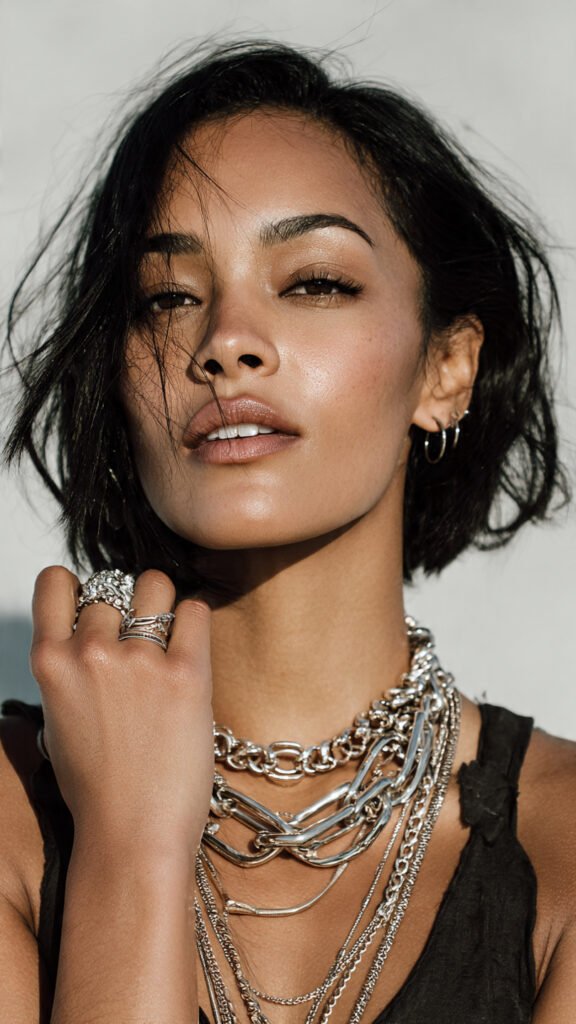
One of the easiest mistakes is wearing too many bold pieces at once. If everything is trying to stand out, nothing really does. Instead, let one piece lead and allow the others to support it.
If you’re wearing a chunky necklace, keep the rest of your layers finer. If your rings are bold, your bracelets can be more subtle. This contrast is what gives layering its polished look.
Think of it like putting together an outfit—there’s usually one main element, and everything else works around it.
Keeping It Comfortable and Wearable
The best layered jewelry looks are the ones you don’t have to think about once they’re on. If something feels heavy, tangled, or constantly needs adjusting, it takes away from the experience.
Start with combinations that feel easy to wear throughout the day. As you get more comfortable, you can build more complex stacks. Over time, you’ll naturally figure out what works for you and what doesn’t.
Final Thought
Layering jewelry isn’t about following strict rules—it’s about understanding balance, proportion, and how pieces work together. Once you get a feel for that, you can mix, match, and experiment freely.
The best stacks don’t look like they were carefully planned. They look like they just happened—and that’s exactly what makes them work.